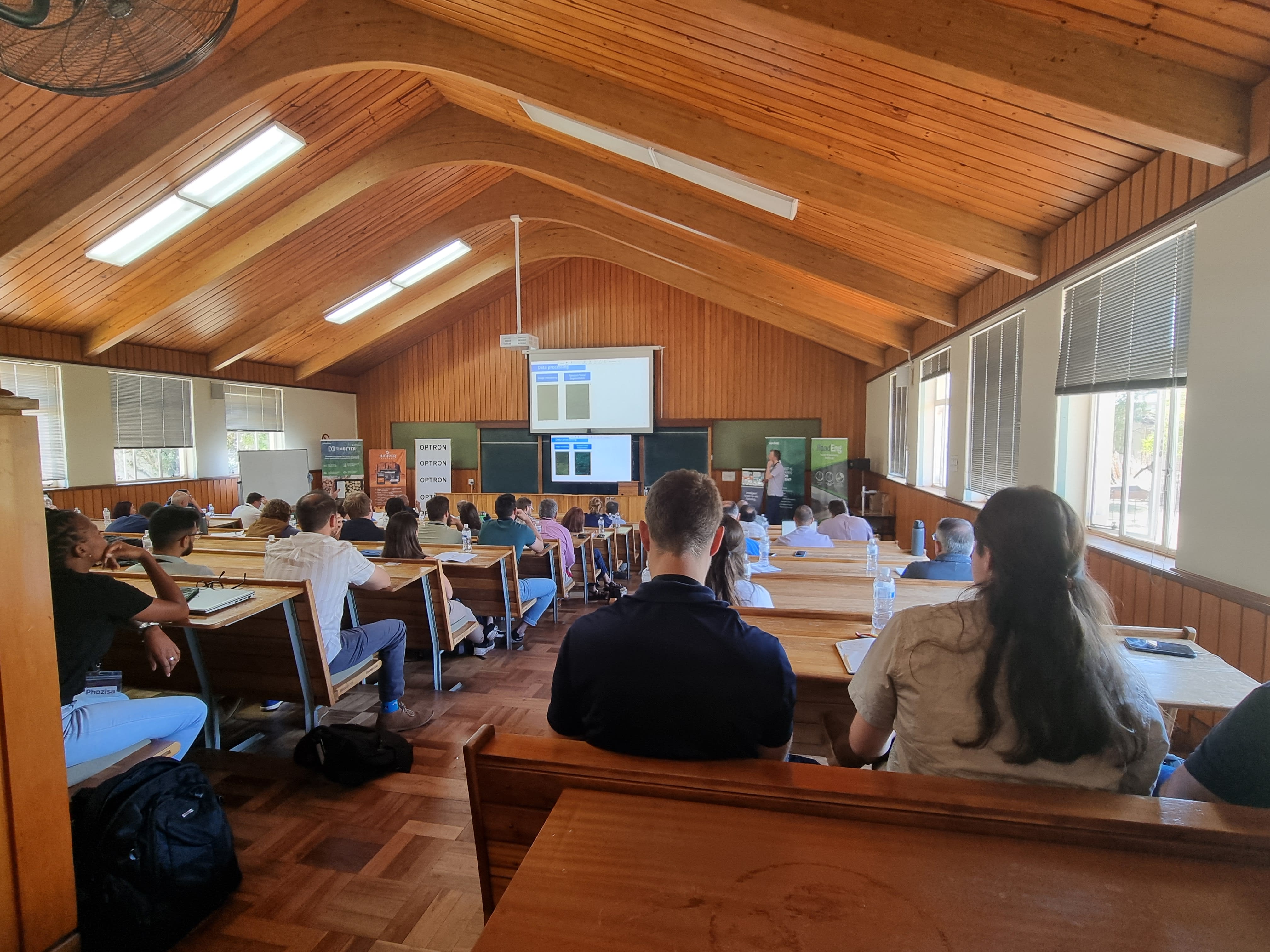


Stellenbosch University hosted the 5th International Precision Forestry symposium under the theme “At the dawn of artificial intelligence (AI).” This event was supported by IUFRO and sponsored by various precision technology organisations. The symposium was a three-day event preceded by a PhD and commercial workshops. The event took place from 3rd to 7th February 2025, at Stellenbosch University, South Africa. The symposium was attended by approximately 70-80 attendees (professionals and students) from around the globe.
The symposium covered some of the key themes of optimization and simulation in forest operations, machine learning and AI in precision forestry, remote and proximal sensing applications, forest machine data handling and interpretation, robotics and unmanned platforms, geographic information technologies and geomatics, forest management, planning and scheduling systems, the man-machine interface, operator performance, and well-being.
Local and international (from Sweden, Turkey, Canada, and the USA) experts in precision forestry delivered presentations. Each day of the symposium started with a keynote address. The keynote speakers were Prof Ola Lindroos (SLU), Ms Miranda Wilson (Mondi), and Prof Kanshukan Rajaratnam (SU), respectively. The rest of the symposium comprised full presentations and speed talks that explored various precision technologies in forest management, silviculture and harvesting, and wood properties analysis. Both practical and research-based work was presented. This article will highlight some of the core precision silviculture technologies presented at the symposium under various themes outlined below.
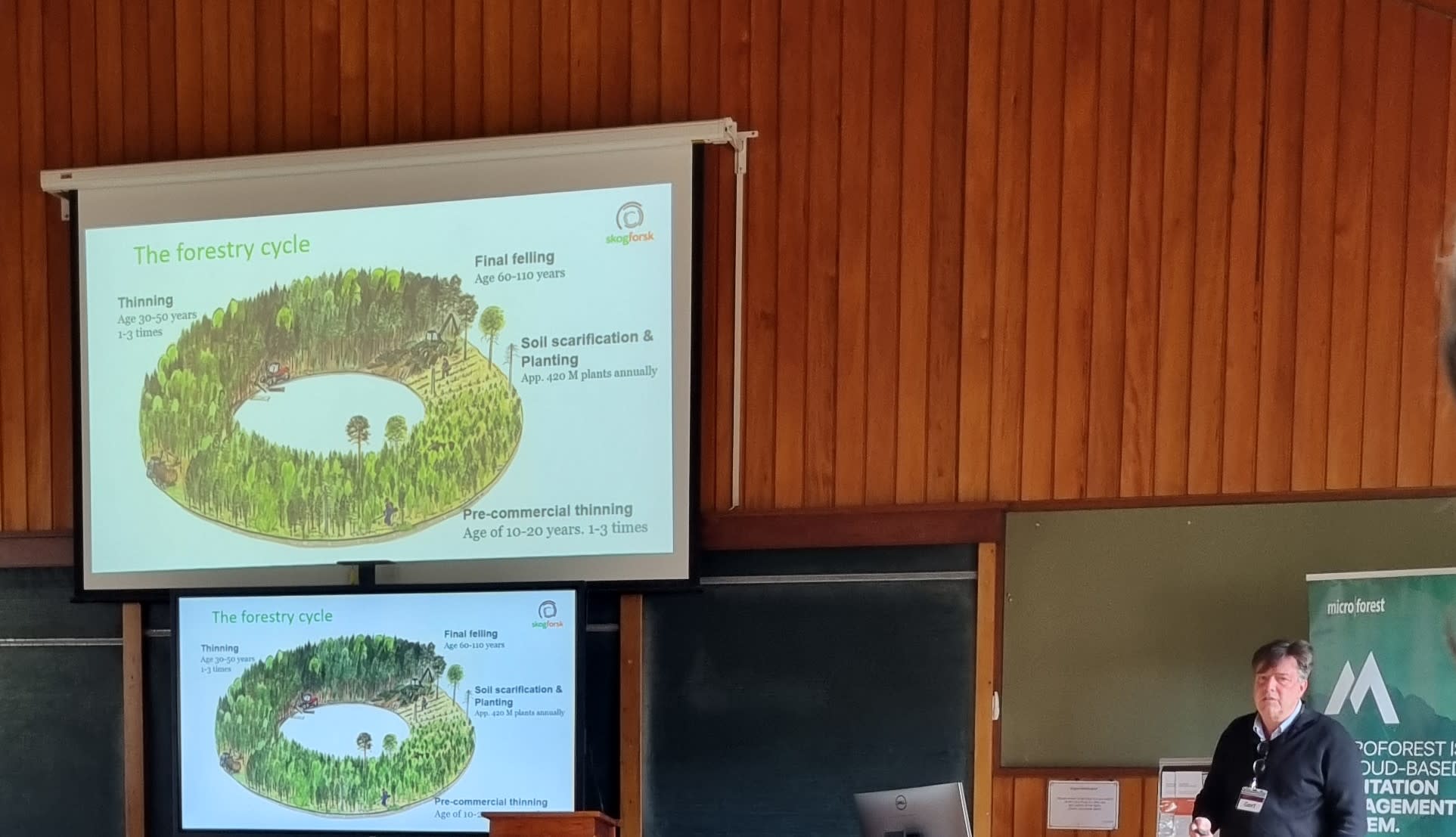
IA and Automation in Forestry: The presenters focused on different artificial intelligence and machine learning applications. There is a drive to increase automation in forestry machines by enabling them to process data about their location and surroundings (obstacles and paths) and be able to execute tasks. For example, there is work currently being undertaken in Sweden focusing on the automation of silviculture work like soil preparation and planting. Projects such as BraSatt and Autoplant are interesting concepts exploring automated planting. Furthermore, Skogforsk is working on remotely controlling scarification equipment during regeneration. In the nursery space, computer vision technology that assesses plant quality attributes is being integrated to improve the level of good quality plants dispatched and to enhance uniformity in the field.
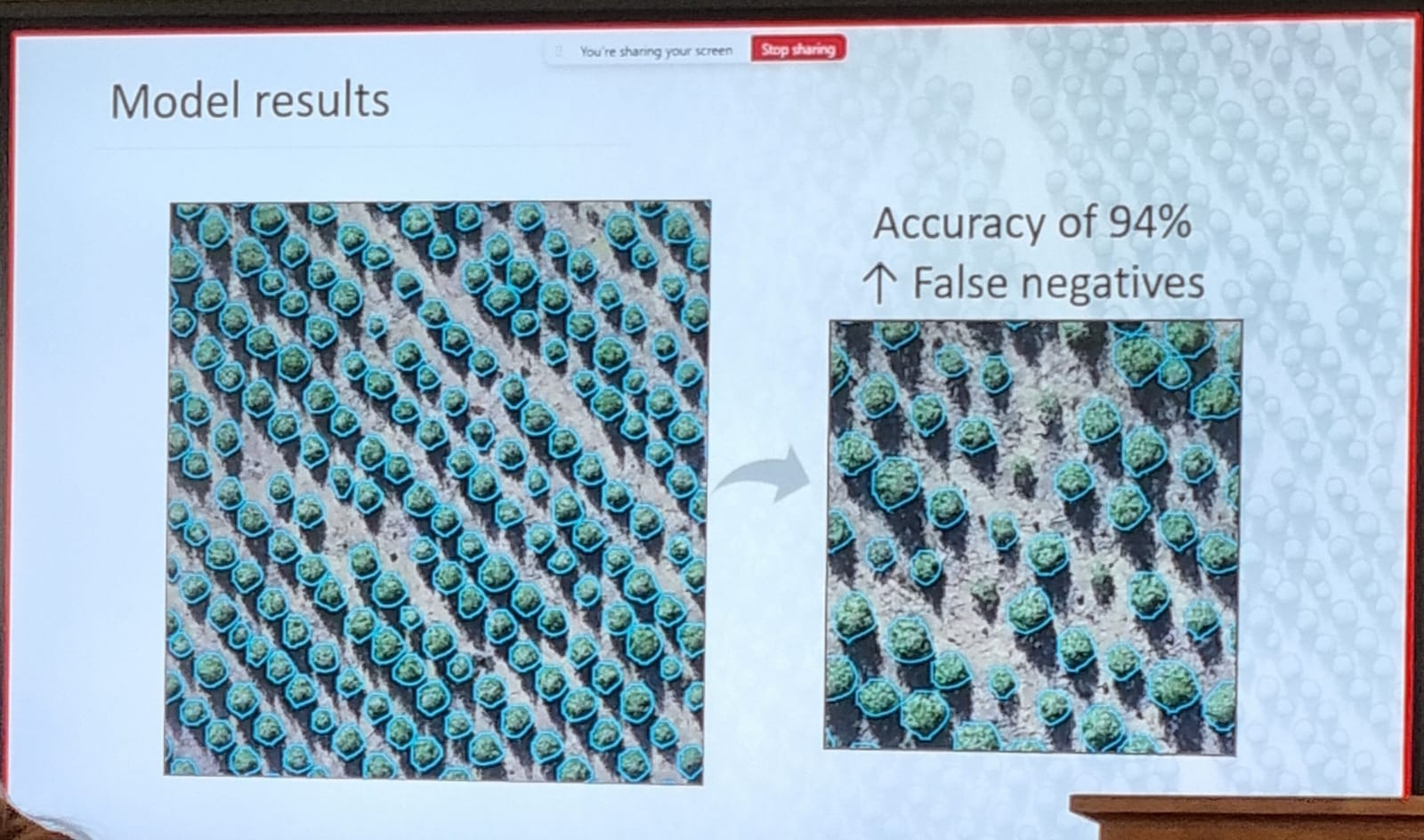
Remote Sensing and Data Analysis: Different forestry organisations focused on this theme, describing how remote sensing technologies (UAVs, LiDAR, satellites) are being used to collect data about forest conditions. There was an emphasis on using the data available to improve decision-making and overall efficiencies. Large scale assessments of damage and tree stress (e.g. snow, fire, wind, frost) can be identified effectively through satellite imagery to monitor tree health. Furthermore, various illustrations of how advanced data analysis techniques and machine learning could extract meaningful information from available data were provided. Interesting research was presented on various seedling/tree detection models, weeds assessment and species identification, disease detection and overall stand assessment (tree growth and yield).
Improving Forestry Operations: Some presentations focused on how precision technology could enhance efficiency and sustainability in forestry operations. This includes reducing soil compaction, improving plantation management, and mitigating the risk of wildfires. Some of the work in this area focused on effects of thinning on risk and stand productivity and the application of mechanised under canopy mulching for fuel load reduction.
Modelling and Prediction: Various speakers explored the importance of developing and validating models for predicting tree growth and yield and quantifying various tree and forest attributes. A key focus under this theme was how climatic variables can be integrated into these models. Some results were linked to how environmental conditions (e.g. rainfall patterns) and forestry practices can be quantified to better understand the effects on tree growth.
The symposium included excursions and interactive panel discussions about using AI, data management, and the need for collaboration at different levels to leverage the full potential of precision technology systems within the forestry industry. The symposium indicated our precision status, information gaps, and future focus areas. As we advance, there will be a greater focus on predictive modeling and accurate remote sensing technologies, using advanced data analytics to analyse various stand conditions, which will feed various stakeholders with information to make informed decisions. For more comprehensive details about the symposium presentations, the proceedings are attached or can be accessed through this link: Proceedings