

Overview of the event
From May 13 to 15, the Institute of Forest Research and Studies (IPEF) hosted the second edition of the Forest Plantation Congress at its headquarters in Piracicaba, São Paulo. The event brought together experts, researchers, and representatives from the forestry sector to discuss technological advancements and future perspectives for forest plantations. The 2025 IPEF Forest Plantations Congress brought together 400 participants, with 10 plenary lectures, 25 talk shows, and 200 scientific papers registered, consolidating itself as a milestone in the sector. In its second edition, the event was held in partnership with ABTCP, IBÁ and IUFRO.
Over the three-day conference, undergraduate and graduate students, professionals from forest-based companies, and academics had the opportunity to participate in a program that covered various aspects of sustainability, technological development, and productivity in the forestry sector. In addition to prominent figures from the Brazilian forestry sector, the congress featured international speakers, including representatives from Australia (Prof. David Lee), South Africa (Dr. Muedanyi Ramantswana), and Germany (Prof. Peter Spathhelf). The dynamic and interactive format of the talk shows allowed participants to choose the topics of most significant interest and discuss and pose questions to experts.
Focus on modern silviculture
The congress program incorporated various relevant topics related to modern silviculture technologies, such as advanced connectivity, automation, forestry aviation, and trends towards minimum tillage. The coordinator of the Cooperative Program on Forest Mechanisation and Automation (PCMAF), Forest Engineer Beatriz Balista, played an active role in the event, particularly in the panel titled “Technological Evolution of Silviculture Mechanisation.” During this session, Prof. Dr. Saulo Guerra, PCMAF’s Scientific Leader, officially launched the book “Survey on the Level of Mechanisation in Silviculture—2024/25Edition”, which presents indicators from 18 companies on the mechanisation and automation levels in forest production. The publication is available for free download at: IPEF The event also featured the international presence of Dr. Muedanyi Ramantswana from Nelson Mandela University, South Africa. Invited by PCMAF-IPEF, he delivered the lecture “A Forecast of Re-establishment Technologies in Plantation Forestry,” sharing experiences and innovations applied in the South African context and global trends.
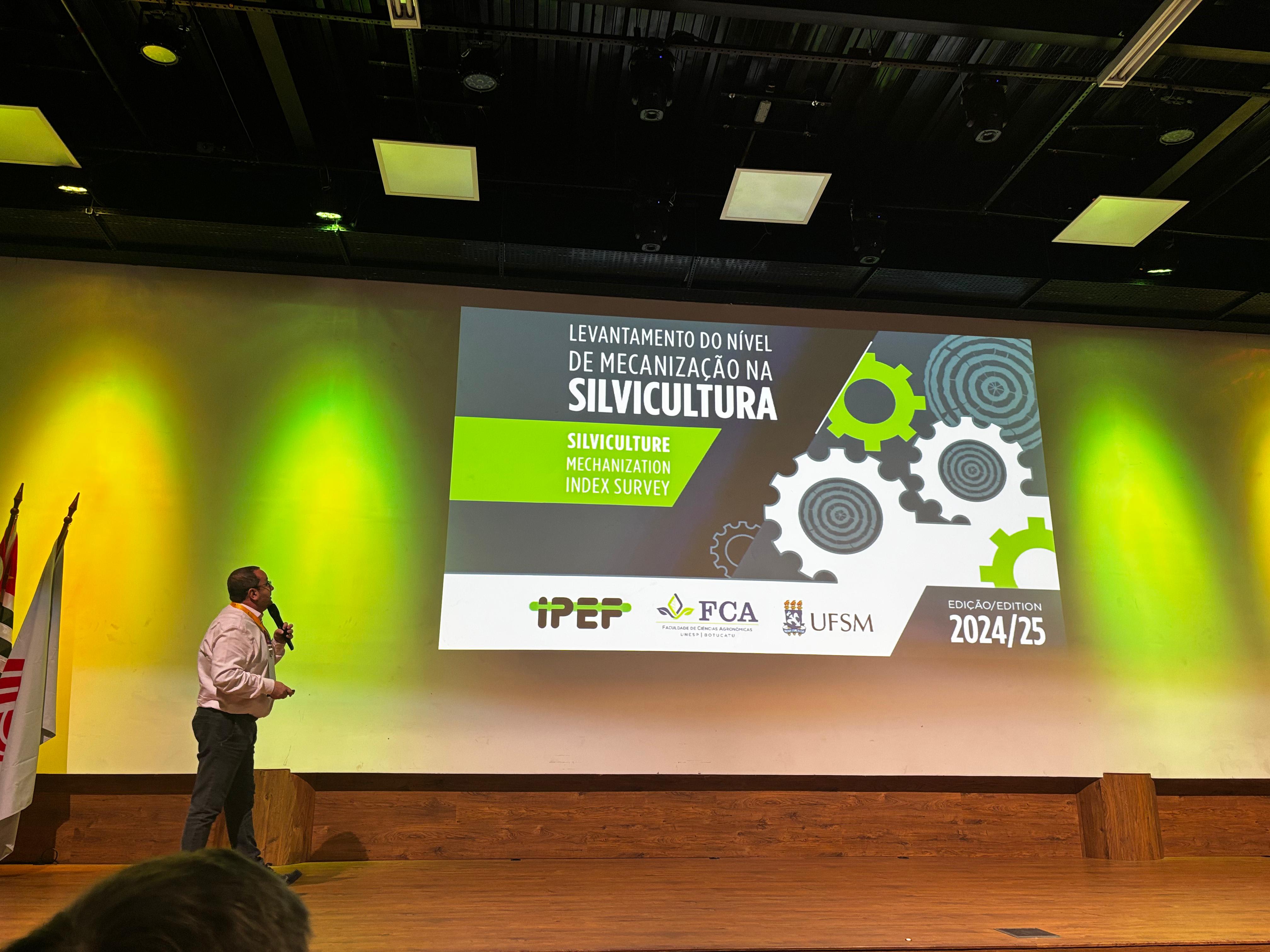
Image: Prof Saulo presents findings from the Silviculture mechanisation index
Industry visit and future collaboration
Following the Congress in Piracicaba, the PCMAF team accompanied Dr Ramantswana on a technical visit to Eucatex in Botucatu (SP). The Eucatex team—composed of José Baptista (Silviculture Manager), Marcos Sandro Felipe (R&D and Forest Nursery Manager), Giulia de Crescenzo Fernandes (Silviculture Trainee), and Marco Tulio Lopes Martins (Heritage Maintenance Supervisor)—presented the company’s operations, from soil preparation to stand tending activities (e.g. mechanised spraying). Dr Ramantswana’s visit to Brazil strengthened the institutional partnership between the organisations. It marked the beginning of the planning for a technical expedition to South Africa, scheduled for 2026, with the participation of PCMAF member companies. The dates and further details of this international activity will be announced soon.
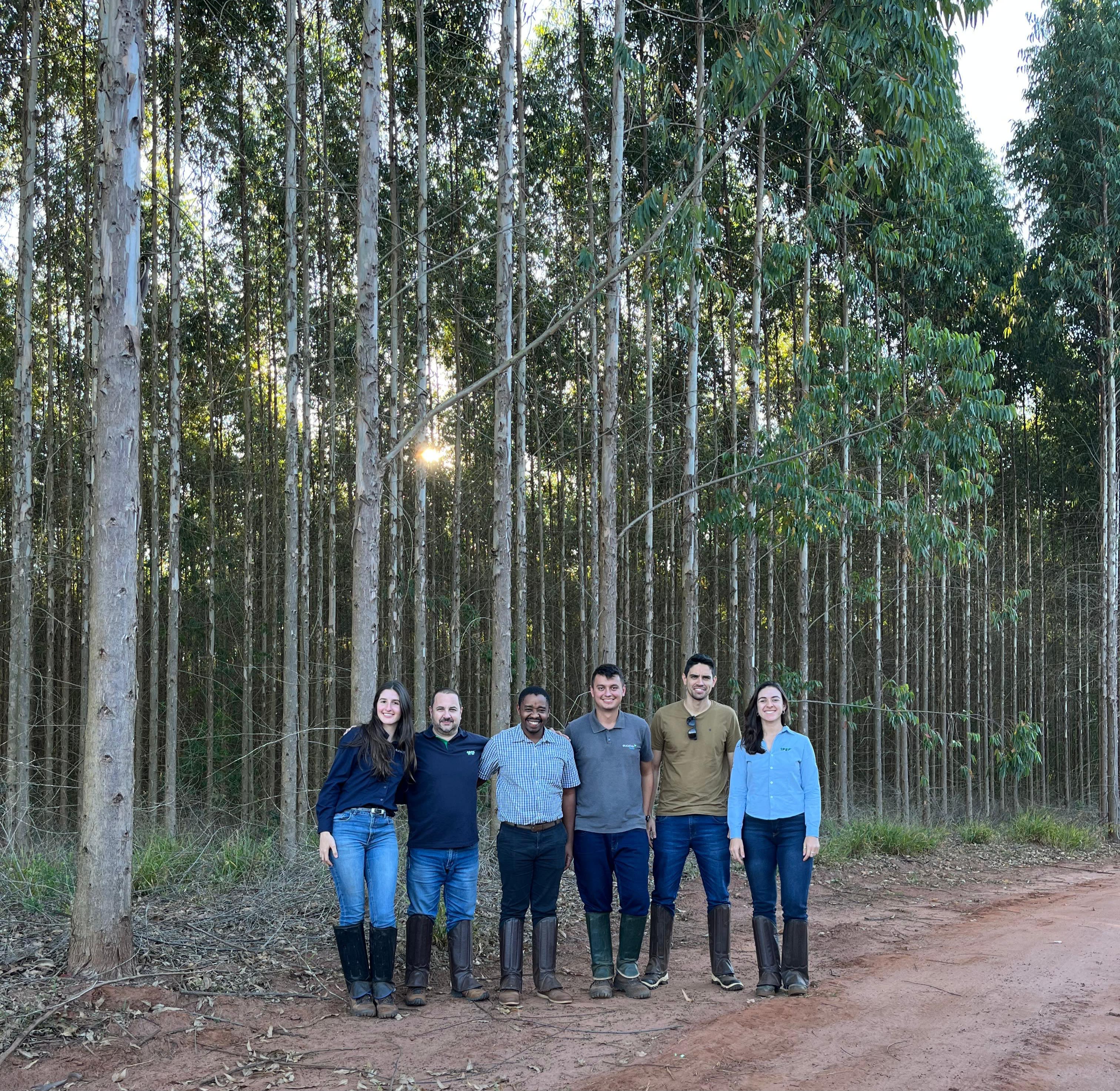
Image: Eucatex, UNESP, NMU and IPEF Team
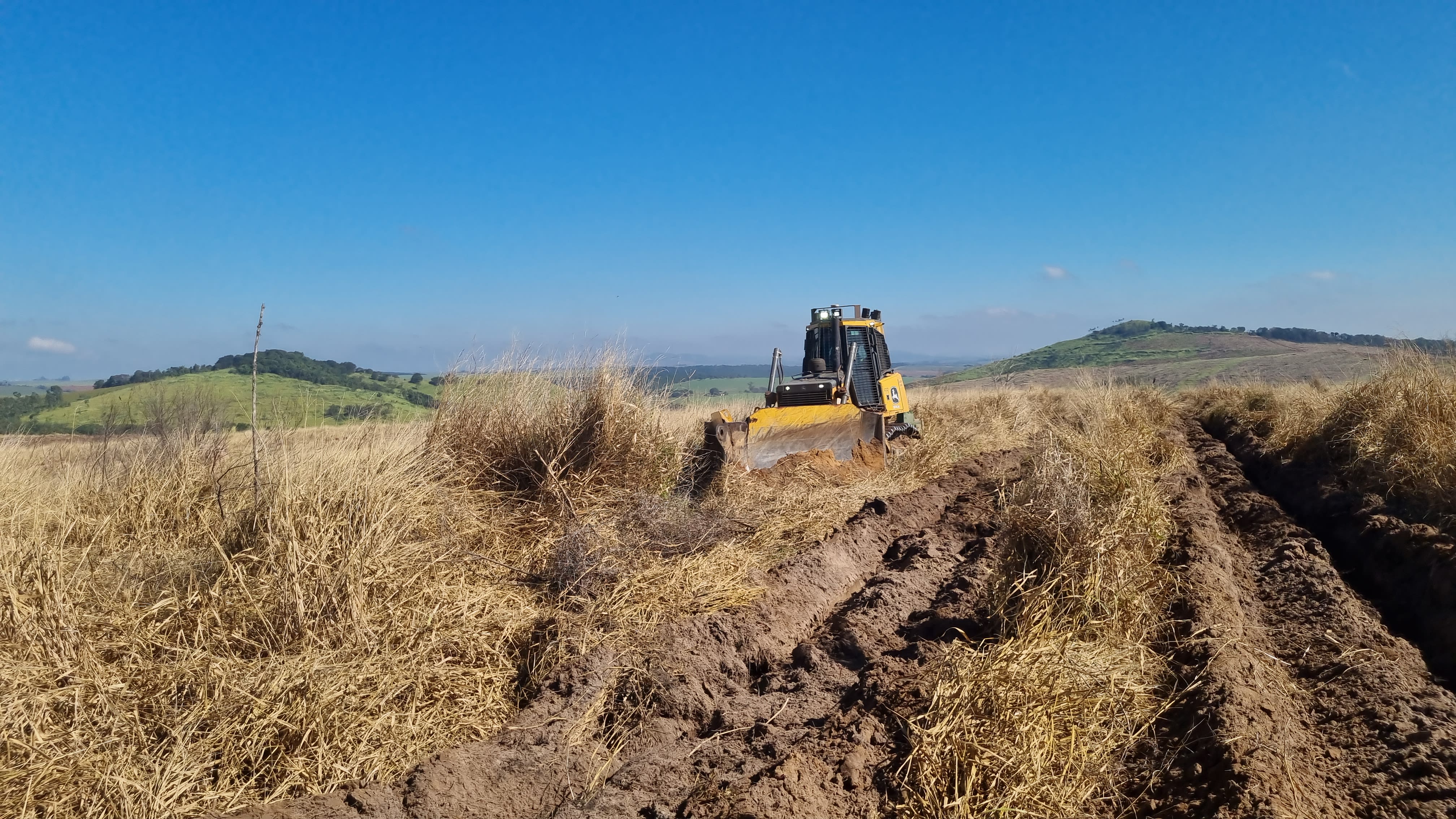
Image: Dozer subsoiling
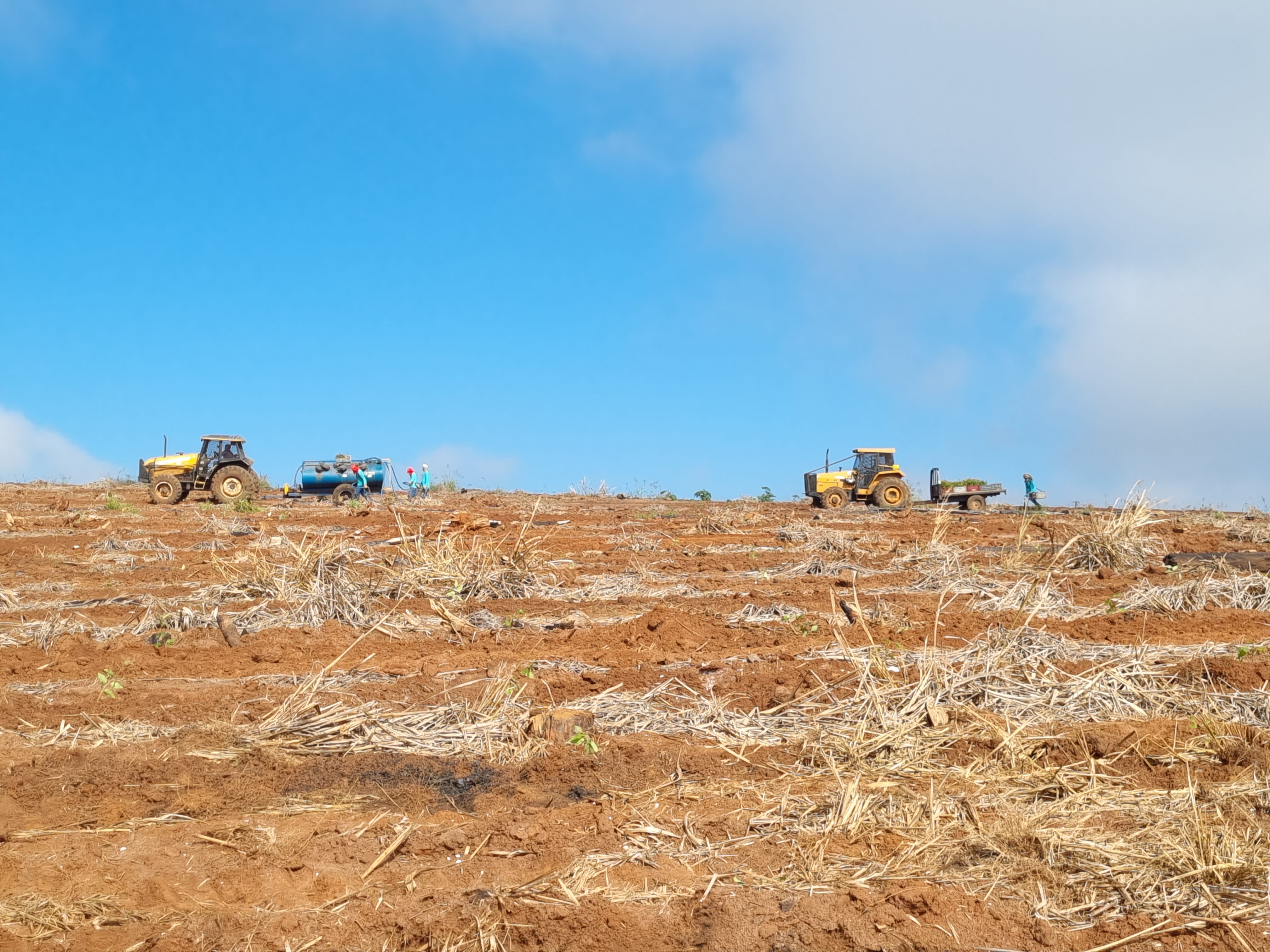
Image: Irrigation after planting
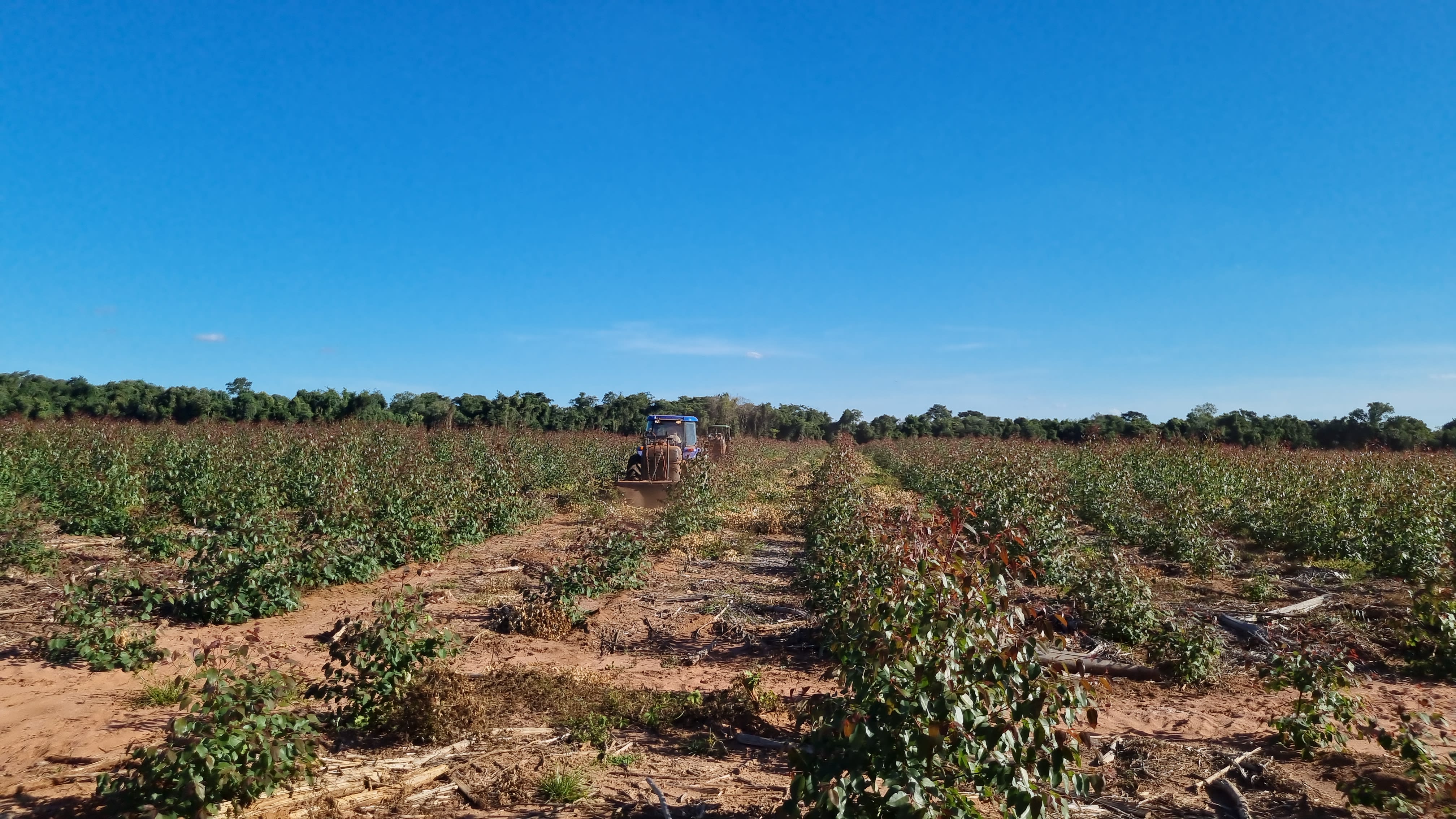
Image: Tractor with windbox spraying