

The forestry industry is under increasing pressure to improve efficiency, reduce losses and increase the survival and growth rates of planted trees. Traditionally, nurseries have used cuttings, but they often face issues such as low rooting success, variable quality and high losses. To tackle the challenge, OptiCept Technologies has developed a proprietary technology platform called OptiBoost FC1 (Vacuum Infusion system) that targets cutting propagation for forest species.
What is it?
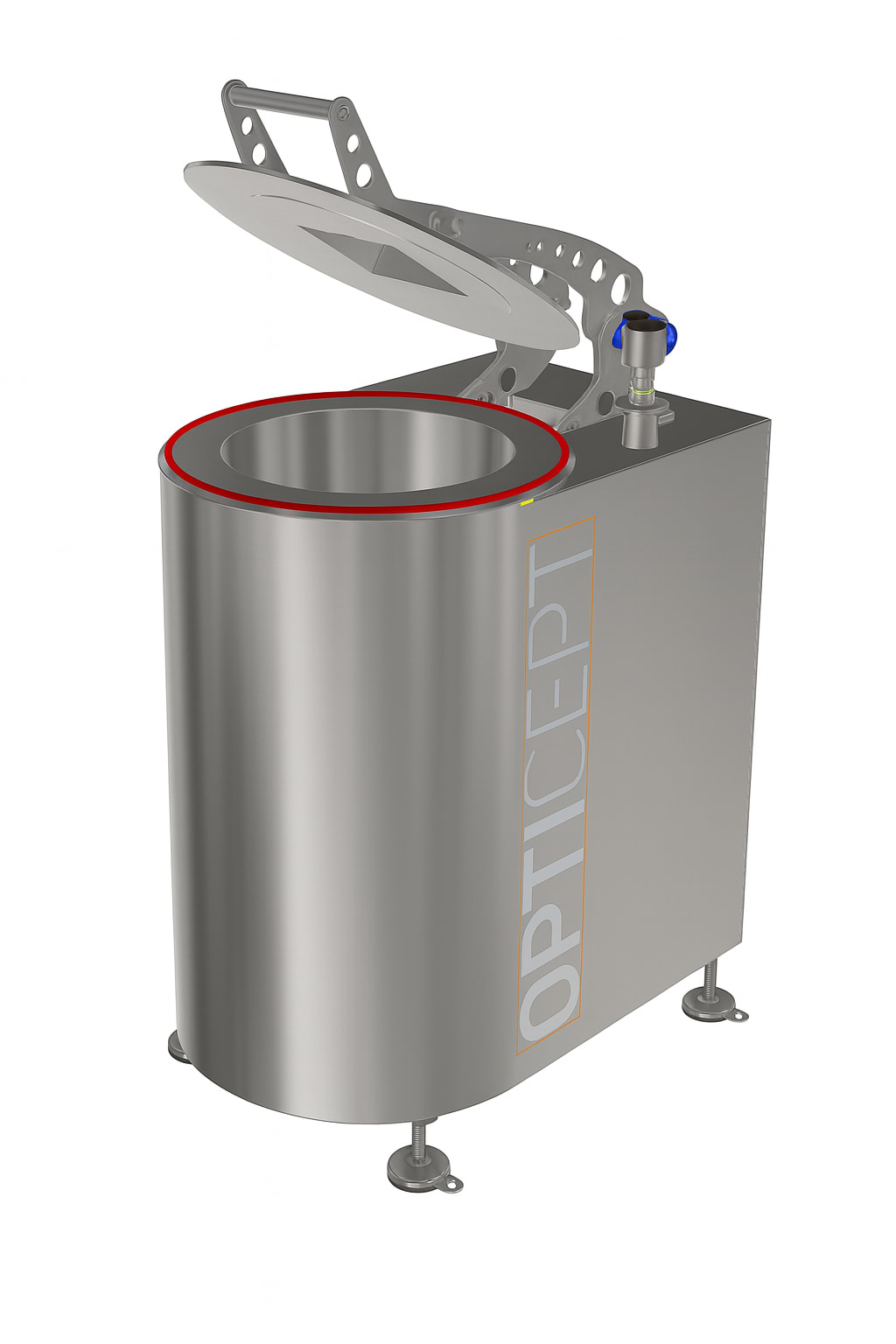
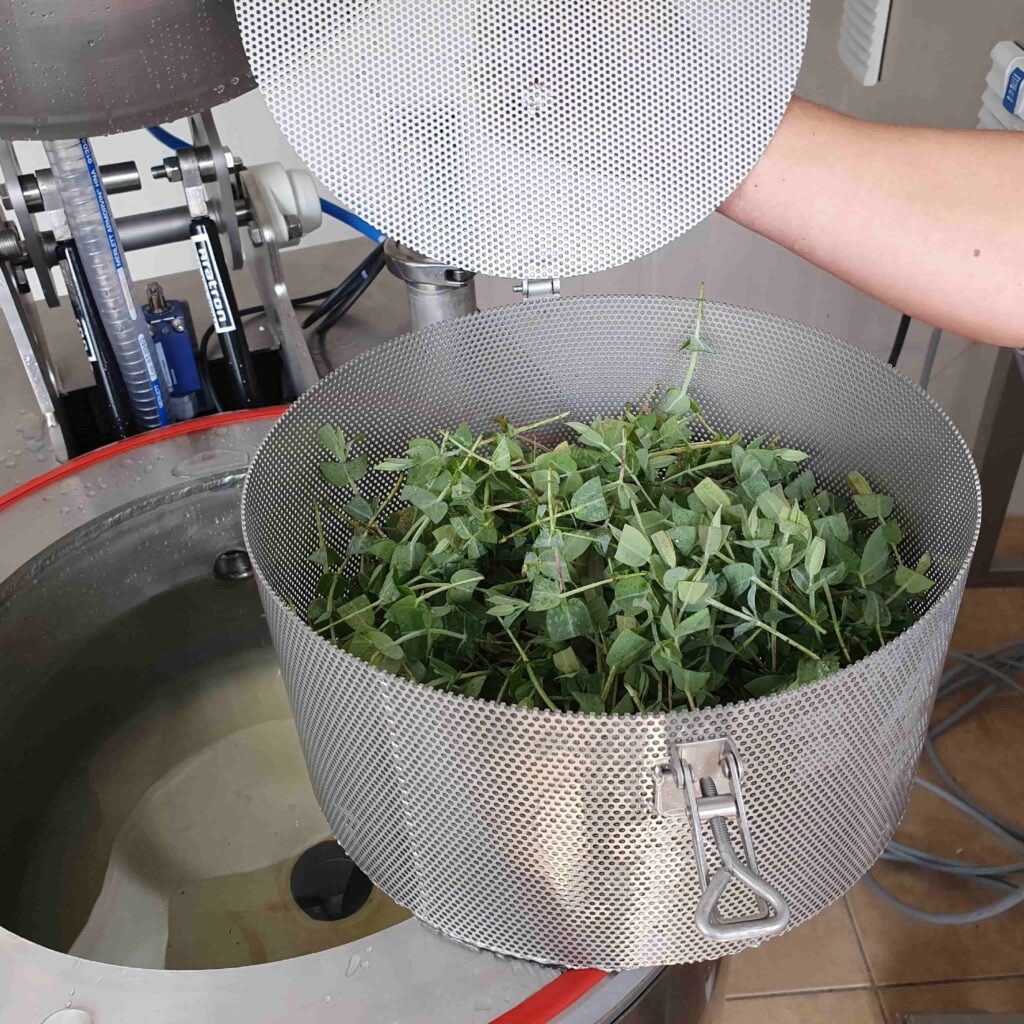
OptiBoost FC1 is a vacuum infusion system specially designed for treating forest cuttings (unrooted vegetative propagation material) to enhance rooting, quality and survival. The system consists of:
• A treatment chamber where cuttings are placed.
• A control unit (user-friendly HMI) that executes pre-programmed “recipes” of vacuum/pressure and nutrient infusion.
• Modular design: capacity can be increased by adding modules.
How does it work?
The underlying principle of OptiBoost FC1 is a vacuum infusion technology combined with functionalized nanotechnology-based nutrient solutions.
1. Unrooted cuttings (e.g. species such as eucalyptus, pine, acacia) are harvested and placed into the treatment chamber of the FC1 unit, approximately 30,000 cuttings per hour.
2. A vacuum is applied: the air in the plant’s cell walls/ leaf air spaces is drawn out.
3. On release of the vacuum (pressure change), nutrient-rich solution migrates into the space formerly occupied by air, thereby impregnating the tissue with nutrition.
4. A full “recipe”, i.e., the vacuum/ pressure cycle, nutrient solution specification, and time) is programmed in the HMI so that the process is repeatable and optimised.
5. After treatment, the cuttings are further handled (e.g. planted in the nursery) but now have the improved rooting potential, greater robustness, and improved survival.
This process ensures that each cutting is thoroughly infused with nutrient solution. This is crucial because, until the cuttings develop roots, they cannot efficiently absorb nutrients on their own - making this method the only effective way to deliver essential nutrients during early growth.
Other interesting information
Higher survival and rooting rates: By ensuring cuttings are properly impregnated with nutrients, the chance of successful rooting is improved, and losses are reduced.
Accelerated growth and earlier planting: Trials show that for pine and eucalyptus cuttings, the growth cycle can be shortened (e.g. planting-ready one week earlier), thereby increasing throughput.
Increased nursery capacity and consistency: With higher success per batch of cuttings, more plants per unit area/time can be produced, and genetic clones can be reliably propagated.
Cost savings and risk reduction: Fewer failed cuttings mean less rework, fewer replacements, lower material waste and fewer lost planting spots in the field.
Sustainability gains: By improving propagation from cuttings (rather than seeds) and reducing losses, the forestry chain becomes more efficient, thereby reducing pressure on natural resources.
Quality assurance: The controlled process and “recipes” deliver a consistent treatment, giving clients a predictable outcome rather than variable results.
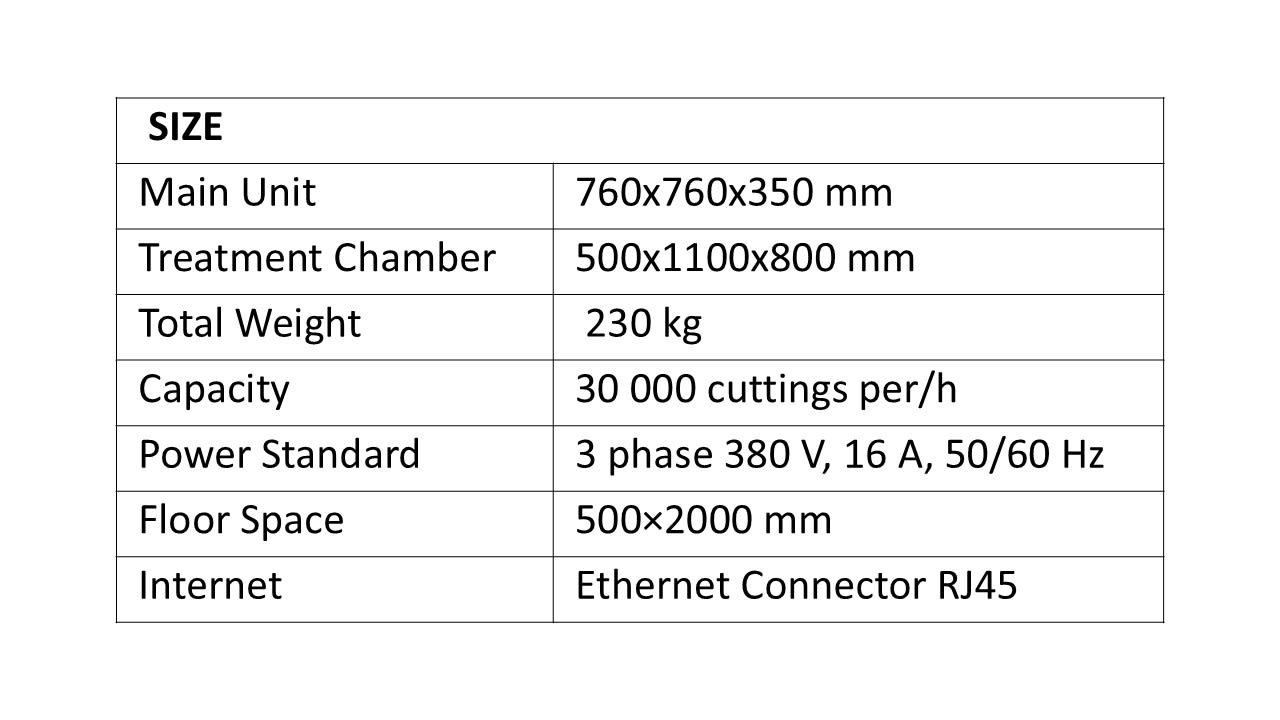
Specifications of OptiBoost
The device is relatively compact for a nursery environment
For more information, visit: OptiBoost
Headquarter:
OptiCept Technologies AB
Skiffervägen 12
224 78 Lund
Sweden
Phone: +46 46 152 300
Email: info@opticept.se