

SOIL CULTIVATION
Pitting is a soil cultivation method known as hole digging/ drilling, minimum soil tillage or spot pit cultivation and it is practiced in various parts of the world. When considering soil preparation there is not a single solution that is suitable for all conditions across the globe. Hence, it is important not to generalise the effects of soil preparation without understanding soil properties and impact on tree growth. However, when considering soil preparation methods various edaphic factors need to be considered such as soil type, level of compaction and terrain conditions (e.g. slope), water supply, nutrients and soil organisms. Furthermore, soil texture and rooting depth also influence aeration, the ease of root penetration, degree of anchoring and the volume of soil available for root growth.
AIMS OF PITTING
• To ease the operation of planting the seedling in the soil, either manually or mechanically
• Improve seedling’s ability to take up water (no air spaces)
• Improve seedling rooting condition
• Improve seedling survival
• Enable the seedling to make rapid, unhindered growth after planting
Benefits of pitting
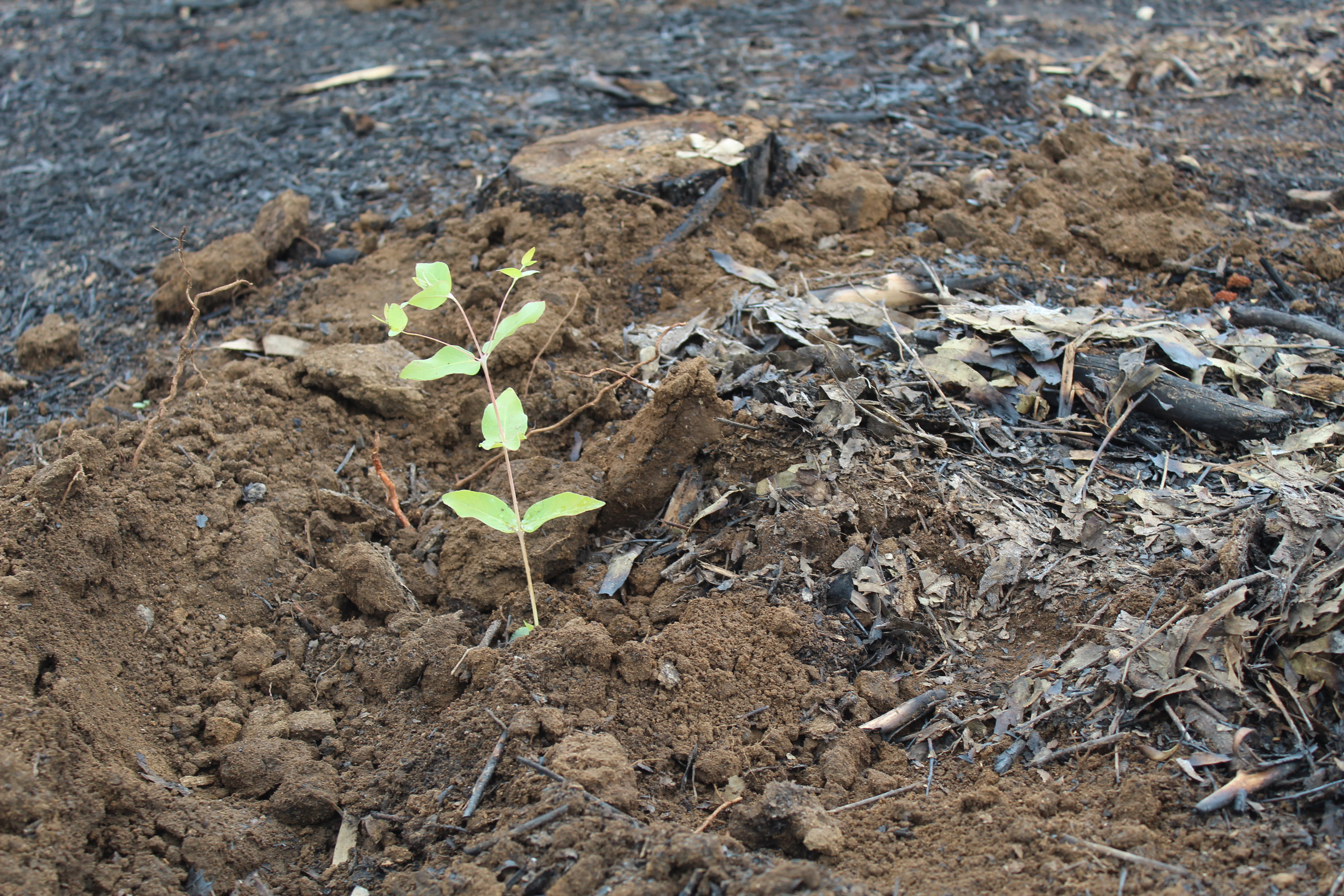
• Enables the disturbance of the soil only to the extent necessary
• It facilitates easier planting as the soil is loosened, making it more friable
• Modifies the bulk density of the soil, resulting in improved root-to-soil contact of the planted seedling
• Improves water infiltration
• Promotion of high oxygen diffusion, which facilitates good tree growth (e.g. tree height and leaf growth)
• Increased rates of organic matter decomposition on the topsoil. Decomposed soil organic matter can enhance soil physical and chemical properties for plant growth by enabling the release of nutrients for plant use (i.e. mineralisation)
• Removal of weed competition around the seedling
• Creates an environment that enhances the survival rates of seedlings planted in well-prepared pits and ensures the achievement of the desired tree density per hectare
• Reduce physical limitations to root development and permit soil resource acquisition by the planted species
• Pit preparation facilitates the correct positioning of the planting stock infield to achieve the correct stand density
Pit quality characteristics
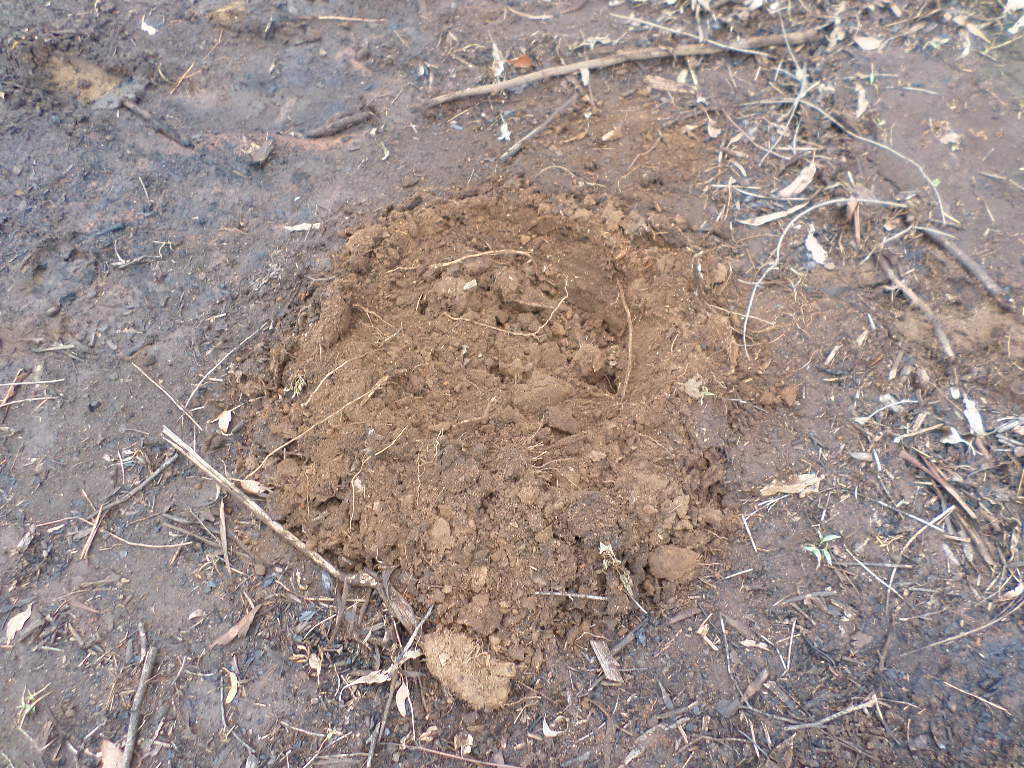
• Pit depth – to ensure the plant is adequately planted in the soil and covered
• Pit width – to ensure optimal lateral root development
• Pit volume – a function of pit dimensions (depth and width)
• Tilth – even consistency (soil friability and aggregate strength)
• Implement used to prepare the pit – hoe, pick, earth auger, or pitting machine
• Soil water availability
• Free of slash
• Freshly prepared to avoid moisture loss
PITTING TOOLS AND EQUIPMENT
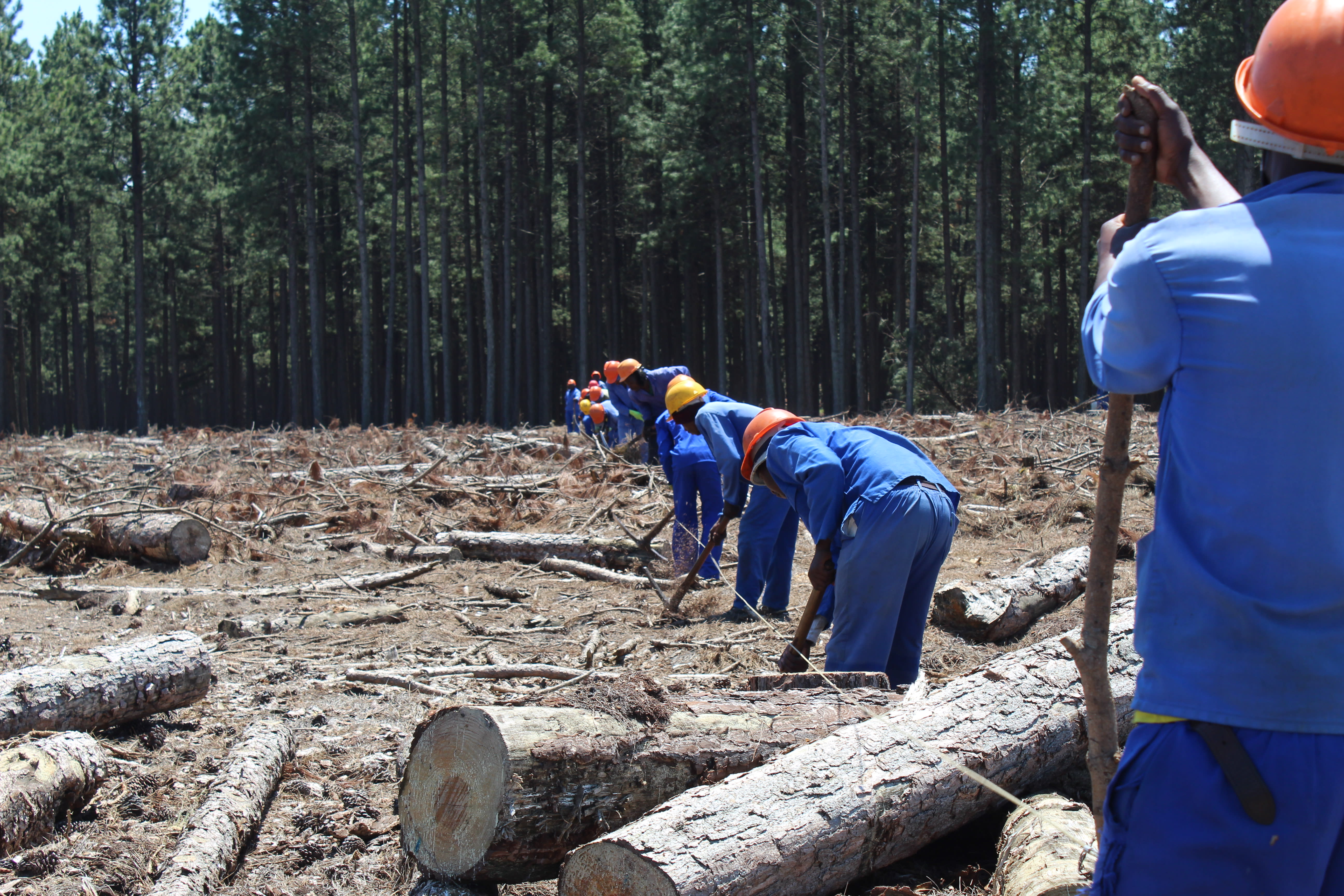
Manual pitting
Manual pitting involves the repetitive swinging of a pick/hoe/mattock to loosen the soil at a specific planting position.
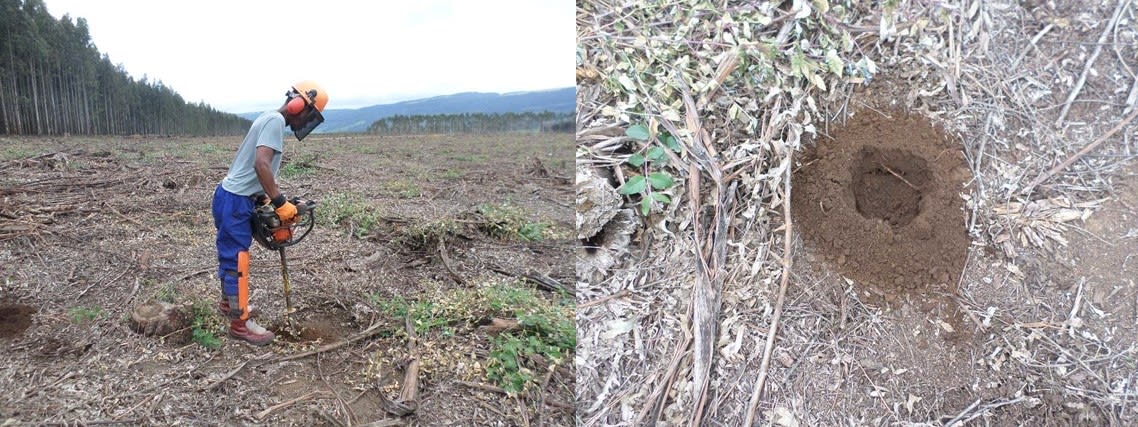
Earth Auger pitting
Involves the drilling of soil using a motorised earth auger. The auger bit can be replaced to improve pit depth, width and soil friability
Single heading pittingding pitting
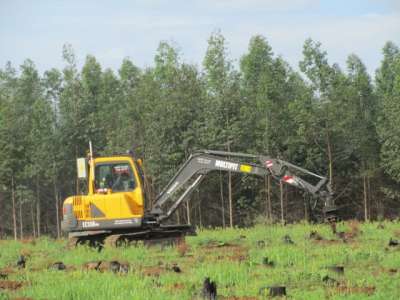
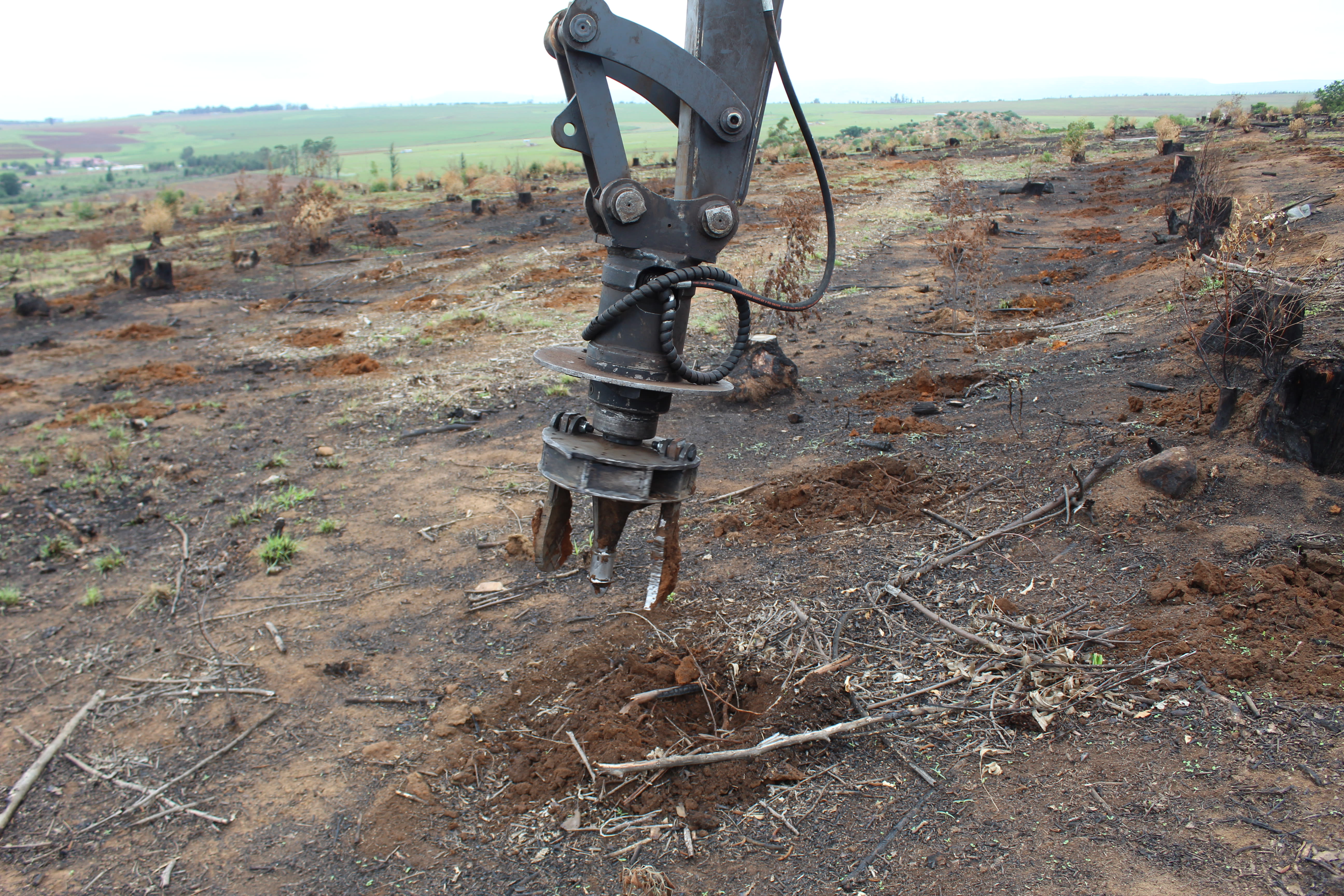
Involves the use of a carrier machine (e.g., excavator, tractor) with a pitting head to mechanically create pits that have a consistent depth and width.
SELECTING A SOIL CULTIVATION METHOD
What to Consider
• Harvest residues from previous crop;
• Presence, distribution, and size of stumps;
• Physical soil conditions;
• Soil type (texture, moisture content, organic matter content)
• Topography of the area;
• Climatic conditions
• Available technology
• Operational efficiency
• Budget
• Time of the year
• Ergonomic friendliness of the method
Attached is a comprehensive pitting in commercial forestry guide compiled by Novelquip which can be downloaded for more information on pitting.
For more information about pitting solutions visit nqfsa.com I Novelquip Forestry Linkedin.com